Bosque County Railroad Town
Welcome to Walnut Springs, a Bosque County town on State Highway 144, named for a spring shaded by walnut trees and built around the Texas Central Railroad.
Walnut Springs sits in the rolling ranch country of northern Bosque County, at the junction of State Highway 144 and Farm Roads 927 and 203, about fifty-two miles northwest of Waco. The 2020 census counted 795 residents, making it one of several small, rural cities scattered across the county. It lies about seven miles south of Glen Rose and roughly seven miles north of Meridian, the county seat, in a landscape of wooded creek bottoms, pasture, and low hills. The community was founded in 1861 and named Walnut for a nearby spring surrounded by walnut trees; a post office followed in 1883, and the name became Walnut Springs in 1892. The town's defining growth came in the 1880s, when the Texas Central Railroad arrived and made Walnut Springs a divisional headquarters — a boom that drew machine shops, workers, and commerce. Central College, founded in 1885 and absorbed into the public school system in 1892, marked the community's early investment in education. The boom proved fragile. A fire destroyed the railroad's machine shops in the 1920s, and the company did not rebuild; the railroad was eventually discontinued. The town's population, estimated near 1,400 in the mid-1920s, slid through the following decades to a few hundred by the early 1960s. Walnut Springs saw renewed growth in the late 1970s, when the Comanche Peak Nuclear Power Station was under construction near Glen Rose and workers and families moved into the area, before settling back into a small-town equilibrium. Today Walnut Springs is a quiet agricultural community governed as a General Law city. The Walnut Springs Independent School District anchors civic life, and the surrounding countryside remains dominated by ranches and farmland. Residents are drawn by the low-key pace, the affordability of rural Bosque County, and access to Waco and the Fort Worth area along the region's highways, while newcomers increasingly include people seeking rural property within reach of the Dallas–Fort Worth Metroplex.
Walnut Springs is in Bosque County, in north-central Texas. The city sits about fifty-two miles northwest of Waco at the junction of State Highway 144 and Farm Roads 927 and 203, with Glen Rose about seven miles north and Meridian about seven miles south.
The community was founded in 1861 and named Walnut for a nearby spring surrounded by walnut trees. A post office opened in 1883, and the name was changed to Walnut Springs in 1892, reflecting the spring and the town's wooded setting.
Walnut Springs is served by the Walnut Springs Independent School District, a small, single-campus district whose teams compete as the Hornets. The district is part of the Texas Education Agency's Region 12 and serves the town and the immediately surrounding rural area.
Walnut Springs is about fifty-two miles northwest of Waco, reached via State Highway 144. Glen Rose lies about seven miles to the north, and the Fort Worth area is accessible by continuing north through Glen Rose and Granbury.
The 2020 U.S. Census recorded Walnut Springs' population at 795. The town is one of several small, rural cities in Bosque County, which remains sparsely populated and largely agricultural, with a landscape dominated by ranches, farmland, and rolling hills.
City Guide
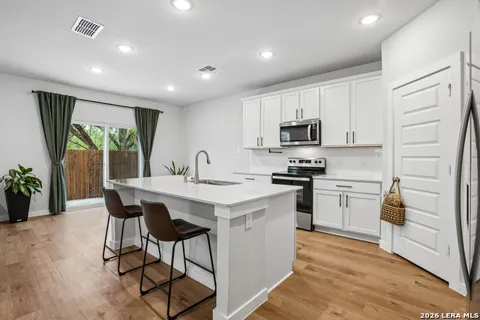
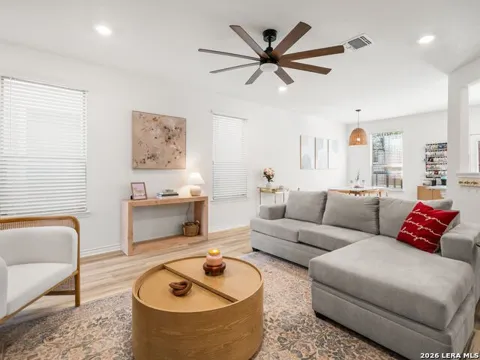
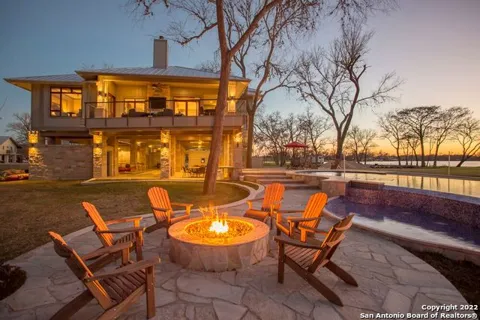
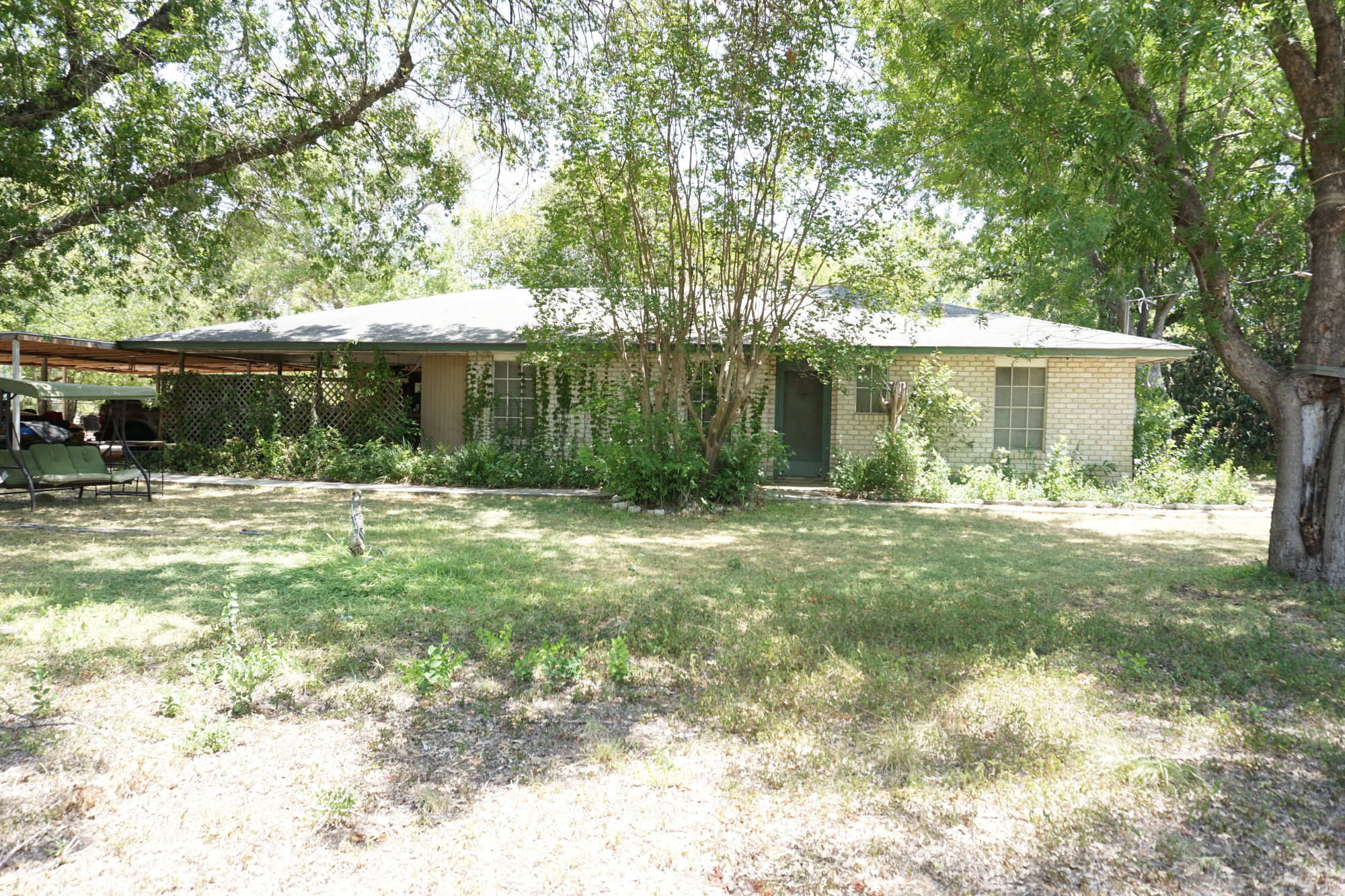
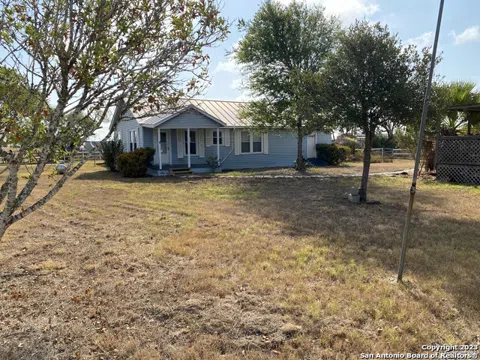
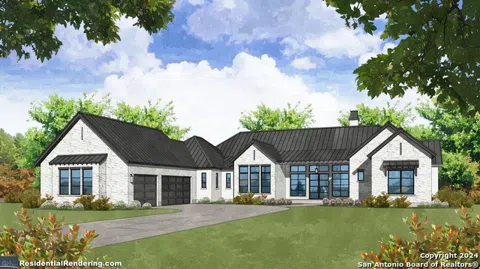
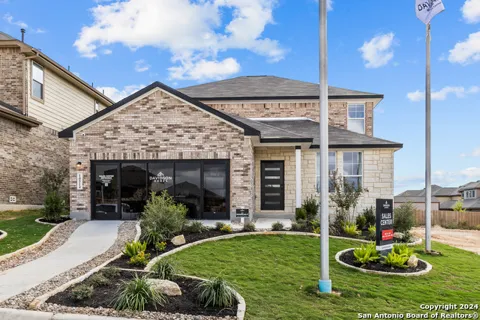
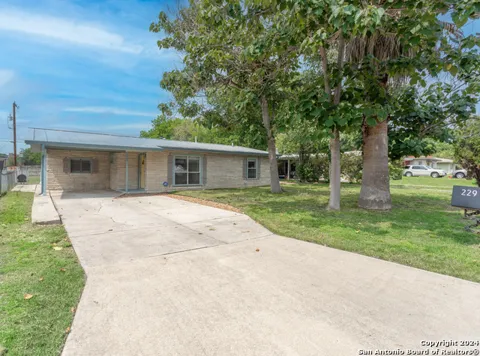
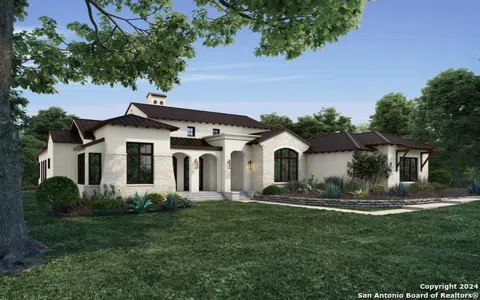
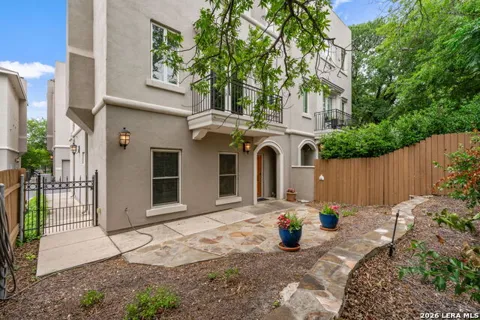
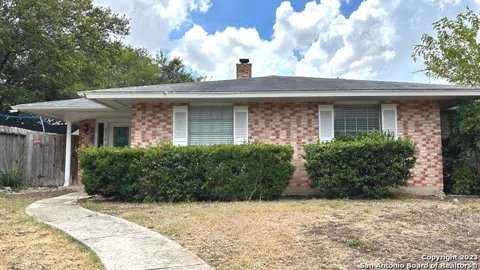
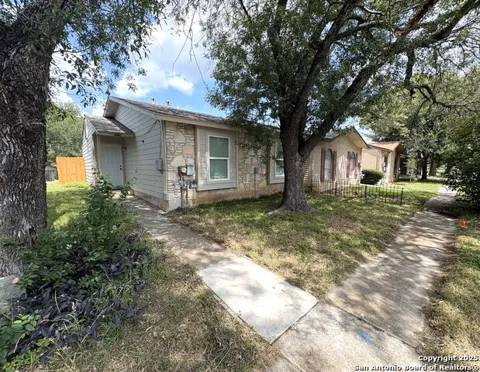
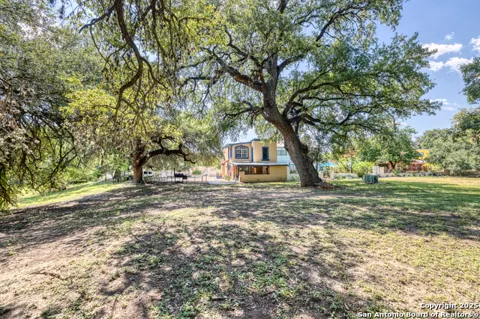
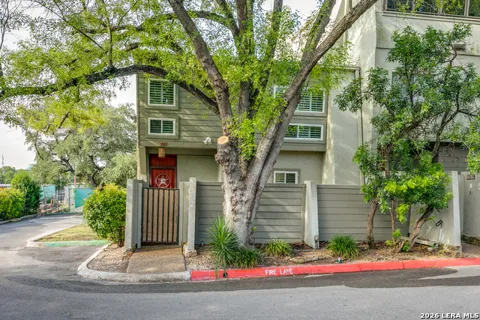
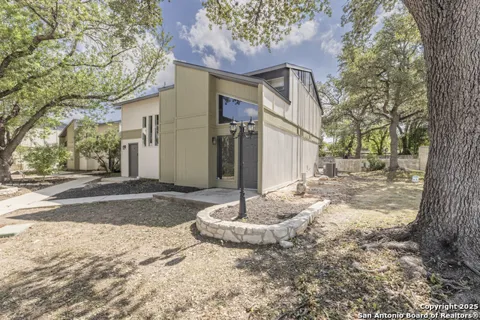
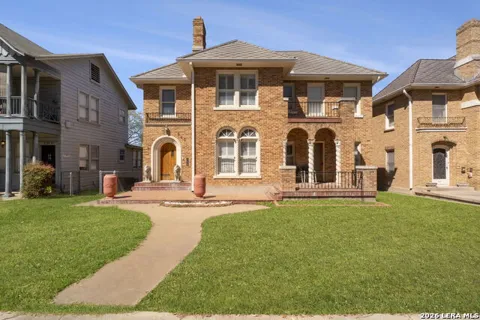
Housing in Walnut Springs is overwhelmingly single-family and modest, reflecting the town's small scale and agricultural setting. Older frame and brick homes near the center reflect the railroad era, while ranch-style houses and newer construction on larger lots spread toward the town's edges. Rural acreage, small ranches, and farm properties begin immediately beyond the city limits, and Bosque County's rolling hills support a mix of homesteads and working land. The stock favors established, individually built homes rather than large subdivisions, in keeping with the area's sparse, agrarian character.
Walnut Springs is a compact town built around its main crossroads on State Highway 144. The streets near the center hold the community's older homes, churches, and school campus, while residential blocks thin out quickly into pasture and farmland on the outskirts. There are no large planned subdivisions; instead, the town's neighborhoods are defined by a few quiet residential streets and the surrounding ranch country. Glen Rose and Meridian, each about seven miles away, provide neighboring small-town services, reinforcing the dispersed, rural pattern of northern Bosque County.
Life in Walnut Springs is small-town and unhurried. The school, churches, and local businesses form the social center, and the community's identity remains tied to its railroad-and-ranching past and the nearby Comanche Peak power station. Residents value the quiet, the open ranch land, and the familiarity of a town where civic life runs through a single school district and a handful of local institutions. Larger shopping, health care, and entertainment are a drive away in Glen Rose, Cleburne, Waco, and the Fort Worth area, and newcomers increasingly include people seeking rural property within reach of the Metroplex.
Public education in Walnut Springs is provided by the Walnut Springs Independent School District, a small, single-campus district whose teams compete as the Hornets. The district is part of the Texas Education Agency's Region 12 and serves the town and the immediately surrounding rural area. The community's educational roots run deep: Central College was founded here in 1885 and joined the public school system in 1892. Families seeking additional or specialized programs look to neighboring districts and to Waco, about fifty miles to the southeast.
Walnut Springs sits on State Highway 144, the principal north-south route through northern Bosque County, which connects the town to Glen Rose to the north and Meridian to the south. Farm Roads 927 and 203 extend east and west into the surrounding countryside. Waco lies about fifty-two miles to the southeast, and the Fort Worth area is reached by continuing north through Glen Rose and Granbury. The Texas Central Railroad that once made the town a divisional headquarters is gone, but the highway network keeps the town tied to the larger regional economy.
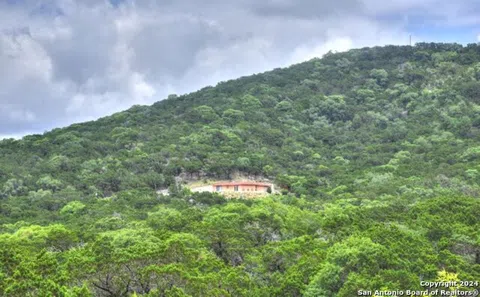
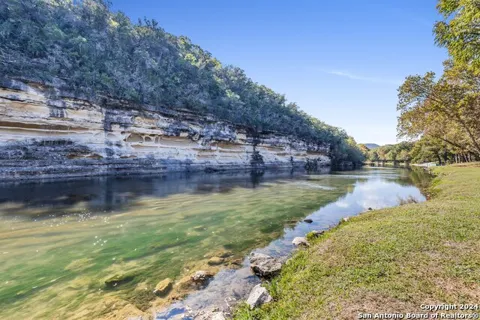
Recreation around Walnut Springs reflects Bosque County's rural, agrarian character. The rolling ranch country and wooded creek bottoms around the city support hunting, fishing, and horseback riding, while the Bosque River watershed defines the wider county landscape. Glen Rose, about seven miles north, offers additional small-town recreation, and Waco and the Fort Worth area are within driving distance for larger attractions. Comanche Peak Nuclear Power Station, near Glen Rose, stands as a major regional landmark and employer, a reminder of the growth spurt that reshaped the town in the late 1970s.
MARKET SNAPSHOT
How homes have been selling here over the last 90 days.
Market data reflects closed sales over the last 90 days and is provided for informational purposes.
For sale
Handpicked properties hitting the scene in your area.
For sale
Handpicked properties hitting the scene in your area.
For sale
Handpicked properties hitting the scene in your area.
BROWSE BY ZIP
Browse listings by postal code in this area.
No listings found.